
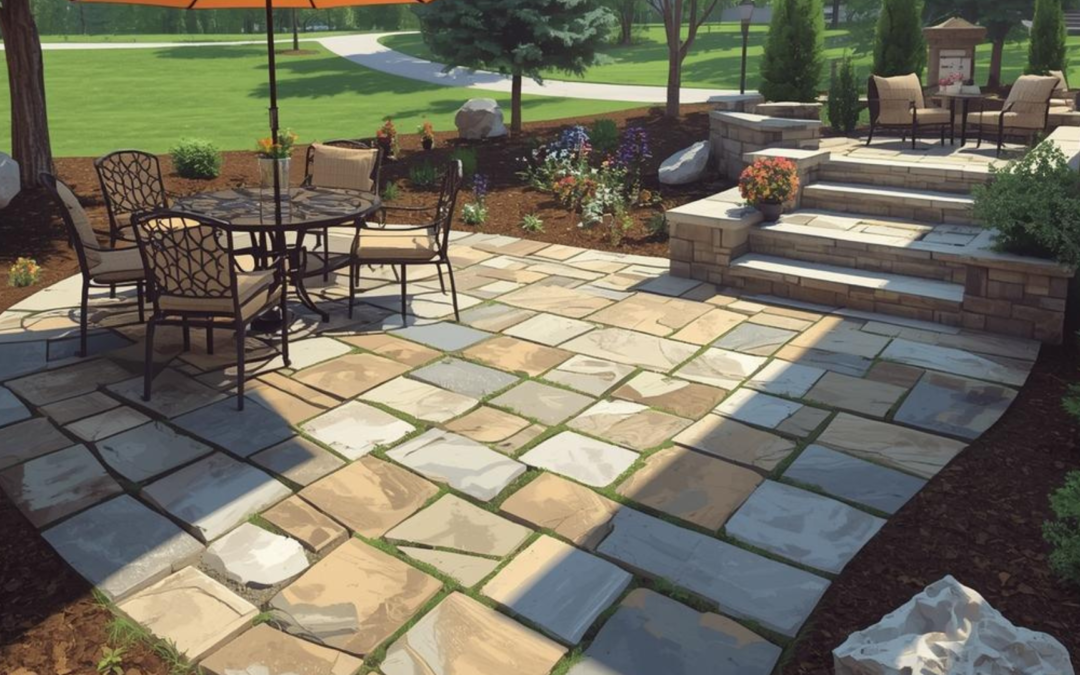
What lasting hardscape really means in Cincinnati’s weather
If you’ve lived through a Cincinnati summer storm followed by freeze-thaw swings, you already know why some patios and retaining walls look great for a season and then start shifting, cracking, or draining poorly. A hardscape that lasts isn’t just about nice-looking pavers or a big fire pit. It’s about the base, the drainage plan, the grade, and how every material choice handles moisture movement.
At Top Scapes Design, we approach hardscape construction like a system. Your patio, wall, walkway, and steps should work together so water moves away from your home, surfaces stay stable, and transitions feel natural. Whether you’re in Hyde Park, Blue Ash, or anywhere around Cincinnati, the goal is the same: build it right the first time so you can enjoy it for years.
Start with how you want to use the space not the materials
The fastest way to end up disappointed is picking materials before you define the purpose. We start by mapping how you want the space to work on real weekends and real weekdays.
Do you want a patio that supports dining for eight, or a smaller gathering zone with room to circulate? Are you planning a fire pit area that needs safer clearances, a functional seating layout, and a stable surface underfoot? Will the space need a path to the driveway or a clean connection to the back door?
When we design hardscapes, we think about how people move through the yard and where they naturally pause. We also pay attention to sight lines from inside your home. If your kitchen window overlooks the yard, the patio layout should feel intentional from that viewpoint. That is the difference between adding pavers and creating an outdoor living space.
Why base preparation decides whether your patio shifts
In our region, base preparation is where most shortcuts show up later. A proper base is not just some gravel. It is a compacted, layered foundation designed to support load and resist movement through seasonal changes.
A lasting patio typically requires excavation to the right depth for your soil conditions and intended use, then a compacted aggregate base installed in lifts rather than dumped all at once. A proper bedding layer helps support consistent paver height, and edge restraint is what holds the pattern tight over time so the field does not creep outward.
If you’ve ever seen pavers shift, settle unevenly, or separate at the edges, it is usually a base and compaction issue, an edge restraint issue, or a drainage issue, often more than one at the same time. The right build process prevents those problems rather than treating them later as maintenance.
Drainage planning that protects the hardscape and your foundation
Water management is non-negotiable. A patio can look perfect and still create the worst kind of problem if it sends runoff toward your foundation or traps water against a retaining wall.
We plan drainage from the beginning by setting grades that move water away from the home and designing transitions so water does not funnel into one low spot. Where needed, we incorporate drainage solutions that fit the site, including subsurface options for challenging areas. We also consider downspout discharge locations so roof runoff does not wash out the base over time.
If you’re near slopes, which is common in many Cincinnati neighborhoods, drainage decisions also affect how stable wall systems and stair connections remain after heavy rainfall.
Retaining walls on slopes engineering and function come first
Retaining walls are not decorative borders when they are holding grade. They are structures, and the plan has to address height, soil pressure, drainage behind the wall, and stable footing.
A wall that lasts typically starts with proper footing depth and base support, followed by backfill that is designed for drainage rather than simply reusing whatever soil was removed. Drainage behind the wall reduces hydrostatic pressure, and choosing the right wall system for the height and loads prevents early movement and bowing.
We design retaining walls to do their job and look good doing it. That could mean clean lines for a modern yard, or a more natural look that blends with the landscape. Either way, stability comes first.
Choosing hardscape materials that match your maintenance expectations
Not every homeowner wants the same level of maintenance. Some people prefer a crisp, contemporary paver that stays visually clean and consistent, while others want a more natural look that hides a bit of dirt between seasonal cleanups.
When you choose materials, we guide you through practical tradeoffs including surface texture and traction, heat retention in direct sun, color variation and how it hides wear, and joint style and long-term performance. We also consider how the hardscape complements your planting design, because the best results look intentional as a complete landscape, not separate parts.
We will also make sure your choices fit how you plan to use the yard. A fire pit area, for example, should be designed for safety and durability, not just appearance.
A practical way to think about outdoor living zones
A hardscape plan feels intentional when it creates distinct zones that support how you actually use the space. A main destination zone anchors the plan, typically a patio for dining or lounging. Transition zones like walkways, steps, and landings make movement clean and safe. Feature zones such as a fire pit, seating wall, or focal point planting create visual structure and a place to gather. Service zones handle the practical needs, including side yard access, utility paths, or screening for trash storage.
This zoning approach prevents a yard from feeling like a random collection of features. It also improves daily use because the layout supports natural circulation instead of forcing people to cut across grass or squeeze through tight corners.
Local inspiration building spaces that feel like Cincinnati
Cincinnati blends historic character with modern energy, and the best public spaces show how design shapes experience. If you’ve spent time at Fountain Square or attended a performance at Cincinnati Music Hall, you’ve seen how great spaces manage flow, gathering, and focal points. A backyard does not need to mimic those places, but the principles still apply: clear pathways, comfortable gathering areas, and a focal point that makes the space feel complete.
That’s what we design for: outdoor living spaces that feel natural to your home and fit the way you live in Cincinnati.
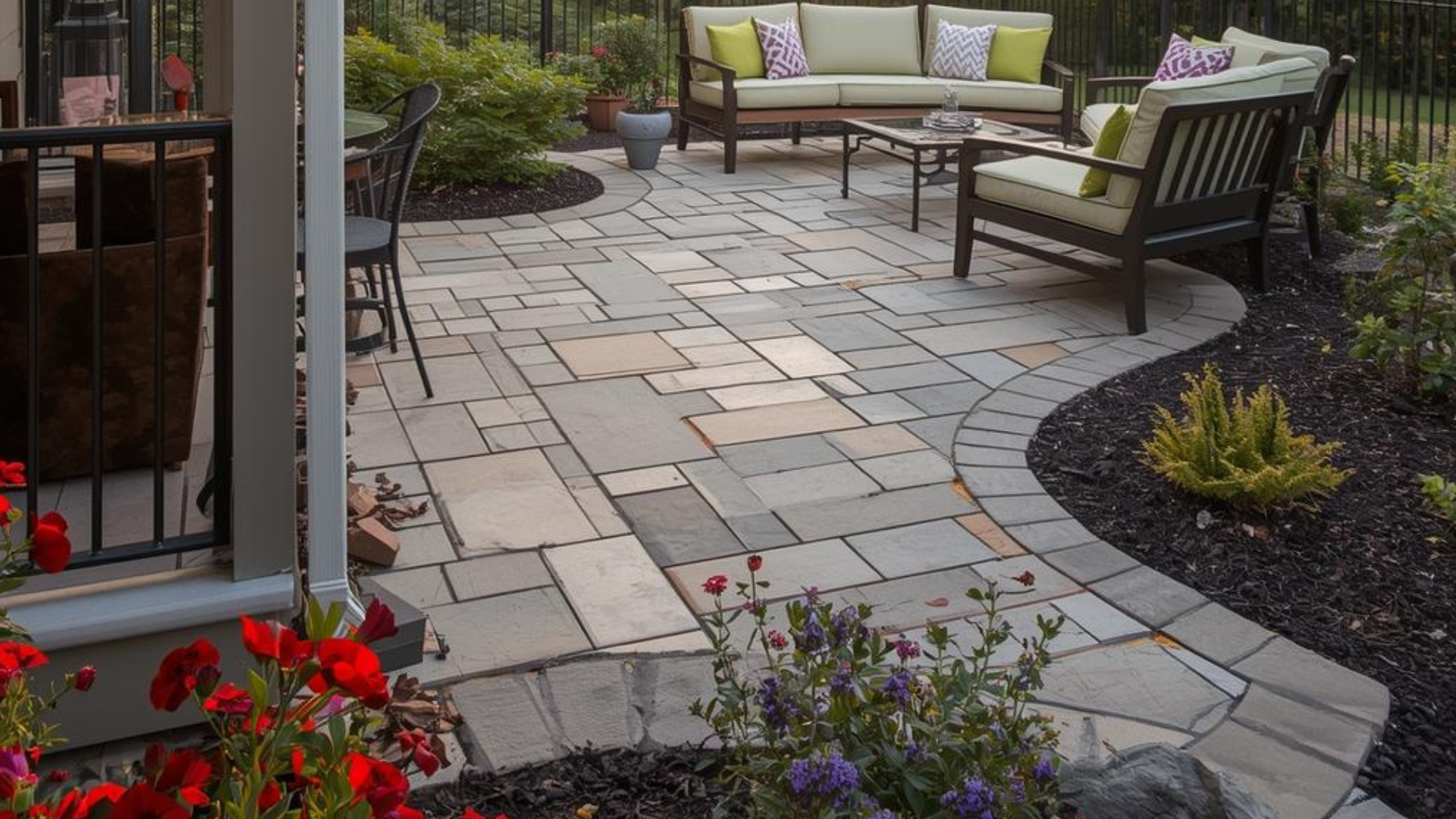
What to expect from a hardscape consultation with our team
When you reach out, we focus on clarity so you can make decisions confidently. We’ll talk through your goals, timeline, and how you plan to use the space, then review site conditions such as slope, drainage concerns, and access. From there, we develop a concept that fits the home and yard and outline options that match the look and function you want.
We’re based in New Richmond and serve the tri-state area, including Cincinnati neighborhoods like Hyde Park and Blue Ash.
FAQs
How do I know if my yard needs a retaining wall or just regrading?
If the slope is causing erosion, pooling water, or unusable space, a wall may be the right solution. If the grade can be adjusted without creating drainage problems, regrading may work. A site visit helps determine what’s structurally appropriate.
Can a patio be built on a slight slope without feeling uneven?
Yes. Grade transitions, steps, and layout choices can make the finished surface feel comfortable and intentional while still moving water in the right direction.
What causes pavers to sink or separate over time?
Most issues come from inadequate base depth, poor compaction, missing edge restraint, or drainage that saturates the base. Proper excavation, layered compaction, and water management prevent these failures.
Should I add a fire pit area before or after a patio is built?
It’s best to plan it at the same time. That allows the patio to be sized correctly, seating and circulation to be aligned, and the base to be built to support the feature without future rework.
How do I keep hardscapes looking clean without damaging surrounding landscaping?
Routine sweeping and seasonal rinsing are usually enough. If deeper cleaning is needed, the method should match the material to avoid joint damage or plant stress.