
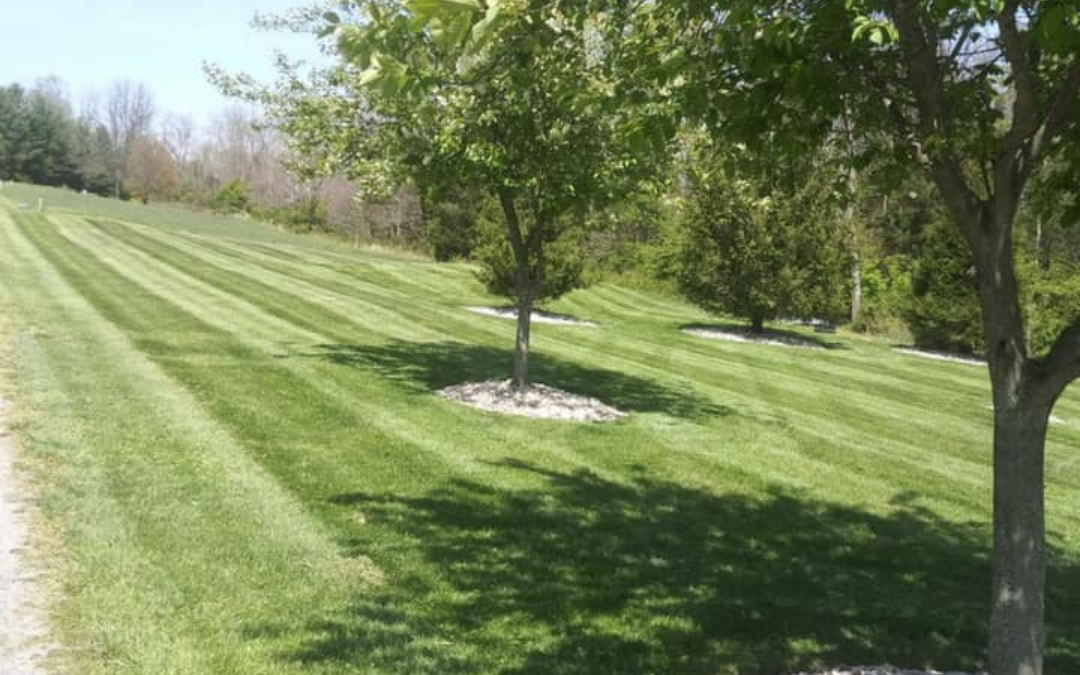
Summer in Cincinnati is a season for backyard barbecues, pool parties, and family fun — but it’s also prime time for lawn problems to sneak in and ruin your yard’s lush, green beauty. Knowing what issues to watch for and how to tackle them can save you time, money, and frustration.
Table of Contents
How Can I Tell If My Lawn Has Grubs or Pests?
Grubs are sneaky — they live underground, chomping on grass roots and weakening your lawn from below.
Signs of grub or pest damage:
- Spongy, soft patches that lift easily like a carpet
- Irregular brown or yellow patches despite watering
- Increased activity from birds, skunks, or raccoons digging for a snack
- Presence of C-shaped, off-white larvae under the soil
What to do:
- Perform a simple test: Cut a square foot of turf and peel it back — finding more than 5–10 grubs per square foot means you need treatment.
- Avoid overwatering, as it encourages grub egg hatchings.
Top Scapes Design offers targeted pest control solutions to reclaim your yard without harming beneficial insects.
What Are Signs of Summer Lawn Diseases?
Hot, humid Cincinnati summers create the perfect environment for lawn diseases to thrive.
Common summer lawn diseases and signs:
- Brown patch: Circular brown spots with a darker outer ring
- Dollar spot: Small, silver-dollar-sized bleached patches
- Rust disease: Orange, powdery coating on grass blades
- Pythium blight: Slimy, greasy patches that appear overnight
“How can I prevent lawn fungus in summer?”
Avoid watering at night, improve air circulation by mowing properly, and reduce nitrogen-heavy fertilization during extreme heat.
Top Scapes can diagnose lawn diseases and recommend a custom treatment plan — visit Top Scapes Design to schedule a consultation.
How Do I Repair Brown Patches on My Lawn?
Brown patches can make even the healthiest lawn look sad — but don’t worry, they can often be fixed!
Steps to repair brown patches:
- Identify the cause: Is it grubs, disease, drought, or pet damage?
- Rake away dead grass: This clears space for new growth.
- Reseed or patch: Use a mix of topsoil and grass seed to fill in bare spots.
- Water deeply and regularly: Keep the soil moist (not soaked) until the new grass is established.
- Adjust mowing height: Raise the blade to reduce stress on recovering areas.
Consider aerating your lawn to boost water and nutrient penetration.
Need help reviving your lawn? Top Scapes Design specializes in lawn repair and renovation services.
When Should I Call a Professional for Lawn Treatment?
Sometimes, DIY just isn’t enough — and that’s okay!
Signs you should call a pro:
- Persistent pest problems (like recurring grub infestations)
- Widespread disease that keeps returning despite treatment
- Large brown patches that don’t respond to watering or seeding
- Drainage or soil compaction issues
- You want a seasonal lawn care plan without the guesswork
“How often should I treat my lawn professionally?”
Answer: It depends on your lawn’s condition, but a seasonal maintenance plan (spring, summer, fall) usually delivers the best results.
Top Scapes Design offers comprehensive lawn care and treatment programs tailored to Cincinnati homeowners.
Don’t let summer lawn problems steal the joy from your outdoor spaces. Call Top Scapes Design today at (937) 218-6729, visit topscapesdesign.com, or find them on Google Maps.
Let the trusted Cincinnati landscape experts bring your lawn back to life — so you can focus on enjoying your backyard all summer long!